As digital transformation and its applications spread across various fields, the scope of exploring the meaning of automation and how to leverage it continues to expand. Organizations are using automation to increase productivity and profitability, improve customer service, reduce costs and operational errors, and enhance operational efficiency, among other benefits.
In short, automation has become a fundamental component of digital transformation and is indispensable for helping companies expand. In today’s topic, we’ll take a closer look at the meaning of automation, its benefits, and its most important types, as well as how you can implement it via the WhatsApp API with the help of Azeer.
What Is Automation as a Concept?
Automation is the process of relying on modern technology and techniques to achieve results and complete tasks with as little human intervention as possible.
Automation software and technology are used in all kinds of fields, such as healthcare, utilities, and even the military. The more effectively a company can utilize automation, the greater the competitive advantage it gains.
Types of Automation
The flexibility of automation technology and its applicability across all fields have led to it taking on various forms. Below, we will explore the most prominent types of automation that are currently in use.
Fixed Automation
Also known as hard automation, this form of automation is designed to help perform repetitive tasks carried out by stationary manufacturing machines. You can find fixed automation in factories—for example, on automotive production lines—where car components move from one machine to another until they are ready for transport.
. Hardwired automation is characterized by its ability to provide users with high production volumes while ensuring consistent quality, ease of tracking production steps, and no need for complex maintenance procedures. However, it faces difficulties in adapting to changes, and hardwired automation units must be replaced when necessary to perform new tasks.
Programmable Automation
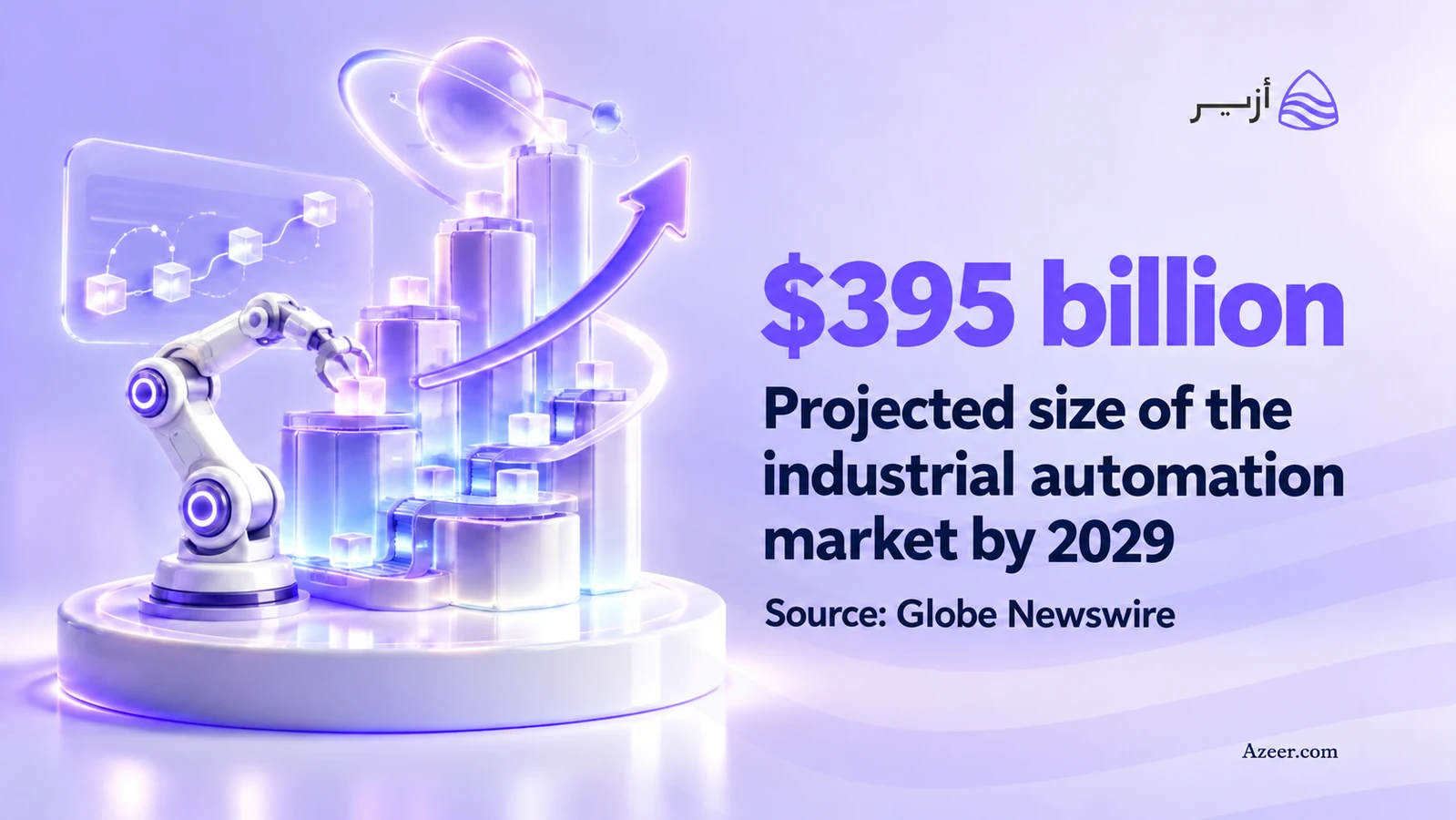
Programmable automation refers to systems that operate via coded software, through which you can easily modify the way a task is performed without any issues. This type of automation is called industrial automation. The global industrial automation market grew to $191 billion in 2021 and is expected to reach $395 billion by 2029, according to statistics. Globe Newswire.
In this type of automation, products are manufactured in batches ranging from a few dozen to several thousand units at a time. For each new batch of products, the production equipment must be reprogrammed or adjusted to accommodate the new or required product configuration.
Industrial automation is characterized by a high degree of flexibility in task execution, ease of programming production processes, and suitability for production lines that require batch output of products with specific specifications. Perhaps the most prominent examples of this are numerically controlled (NC) machine tools, industrial robots, and logistics automation.
Soft Automation
Soft automation, also known as flexible automation, is an extension of programmable automation, but it requires virtually no downtime on production lines and minimal manual changes to the workflow. Flexible automation allows for the production of different types of products without the need for complex reprogramming. This enables the factory or company using it to switch between tasks while minimizing downtime.
Soft automation is characterized by its ability to increase production while saving time, but the equipment required to operate this type of automation is costly. Flexible automation is used in industries such as textiles, paints, and food processing.
Process Automation
Process automation refers to the use of technology to automate manual tasks through data and system integration. Process automation is increasingly used in companies, where software or applications perform a range of tasks within a modern digital organization, thereby helping to improve workflow efficiency within the company.
Process automation can be used to handle repetitive tasks, such as responding to frequently asked questions received by your organization without human intervention, and maintaining a complete record of data from various sources—for example, customer data obtained from Facebook, email , and WhatsApp, all on the same dashboard and transparently available to the team members responsible for handling them.
Integrated Automation
is a comprehensive automation framework that allows all types of automation to be consolidated within a single facility under a unified control system. Integrated automation aims to reduce the complexity of automation tools operating separately by streamlining communication between various automated processes.
This type of automation can be used in batch manufacturing or continuous-process manufacturing. However, it is costly and requires a skilled workforce capable of managing the systems. Prominent examples include computer-aided manufacturing (CAM) and computer-aided design (CAD).
Process Automation via Bots
is a type of process automation that uses software technology to facilitate the creation, deployment, and management of software robots that simulate and perform human tasks. These bots are programmed using software to perform rule-based tasks, such as arranging products on shelves or extracting data from screens or insurance forms.
Perhaps the most prominent and clearest examples of this type of automation—also known as Robotic Process Automation (RPA)—are the robots that transport and load goods in warehouses.
Benefits of Automation
Now that we’ve explored the meaning of automation and the most prominent types of automation applications, let’s take a look at the benefits of relying on this technology to complete tasks.
Cost Reduction
Companies across various industries face significant pressure to increase profits, and one of the most effective solutions to help them achieve this is to reduce expenses without negatively impacting the organization or its operations. Automation solves this difficult equation by improving the quality of the service or product received by the end consumer who interacts with the company, while simultaneously saving the company a significant amount of money.
Increased Productivity
Automation ensures a higher level of productivity for your organization—one that would be difficult to achieve through traditional business practices. For example, through automation, you can schedule a set of tasks to run automatically at fixed times, move a larger quantity of heavy products from one location to another in a short amount of time, or handle inquiries from a large number of customers who contact your company simultaneously.
24/7 Availability
Automation tools never need a break—whether they’re machines in factories or cloud-based systems that businesses rely on. As a result, as a business owner, you can benefit from them 24/7 without any downtime. For example, if you have a cloud-based call center system that relies on the automated response system IVR, and a customer calls late at night requesting urgent assistance, the automated response will handle the call, helping the customer submit and log their complaint with ease—in many cases, with virtually no need for human intervention.
Automation via the WhatsApp Business API
Automation via WhatsApp refers to using it to automatically send routine, repetitive messages, rather than manually responding to each customer. This helps you share updates and manage conversations with customers without needing to be available around the clock.
For example, if you are a hospital or medical clinic, you’ll be able to make it easier for patients to book appointments using interactive buttons in chats. You can also send patients notifications about follow-up appointments and provide medical consultations via chatbot, and maintain a record of patient data.
You can also create a list of patients and send a specific offer to them all at once, track how they interact with the offer they received on WhatsApp, and easily measure the success of this marketing campaign.
Automation via the Cloud Call Center
Companies can benefit from the call center: To reap the benefits of automation and streamline organizations’ daily operations, in addition to relying on the IVR (Interactive Voice Response) service we mentioned earlier, there is an automated dialing process in which the company adds a list of a specific number of customer numbers to the call center system and then dials them all at once, whether for marketing purposes or to provide a specific service.
This feature also aids in follow-up calls, through which customer feedback on calls is collected—whether regarding the service, employee performance during the call, or other aspects.
Conclusion
To take advantage of WhatsApp API services, you’ll need the assistance of a service provider who can ensure you meet the subscription requirements and gain access to the WhatsApp Business Dashboard, allowing you to leverage automation to streamline your daily tasks on the world’s leading communication channel. Book your free consultation, and let our team help you become a success story.
If you need a cloud-based call center that overcomes the limitations of traditional call centers and takes full advantage of automation, leave it to Azeer. Contact us to learn how to sign up and activate the service.
Frequently Asked Questions
How much is automation growing in Saudi Arabia?
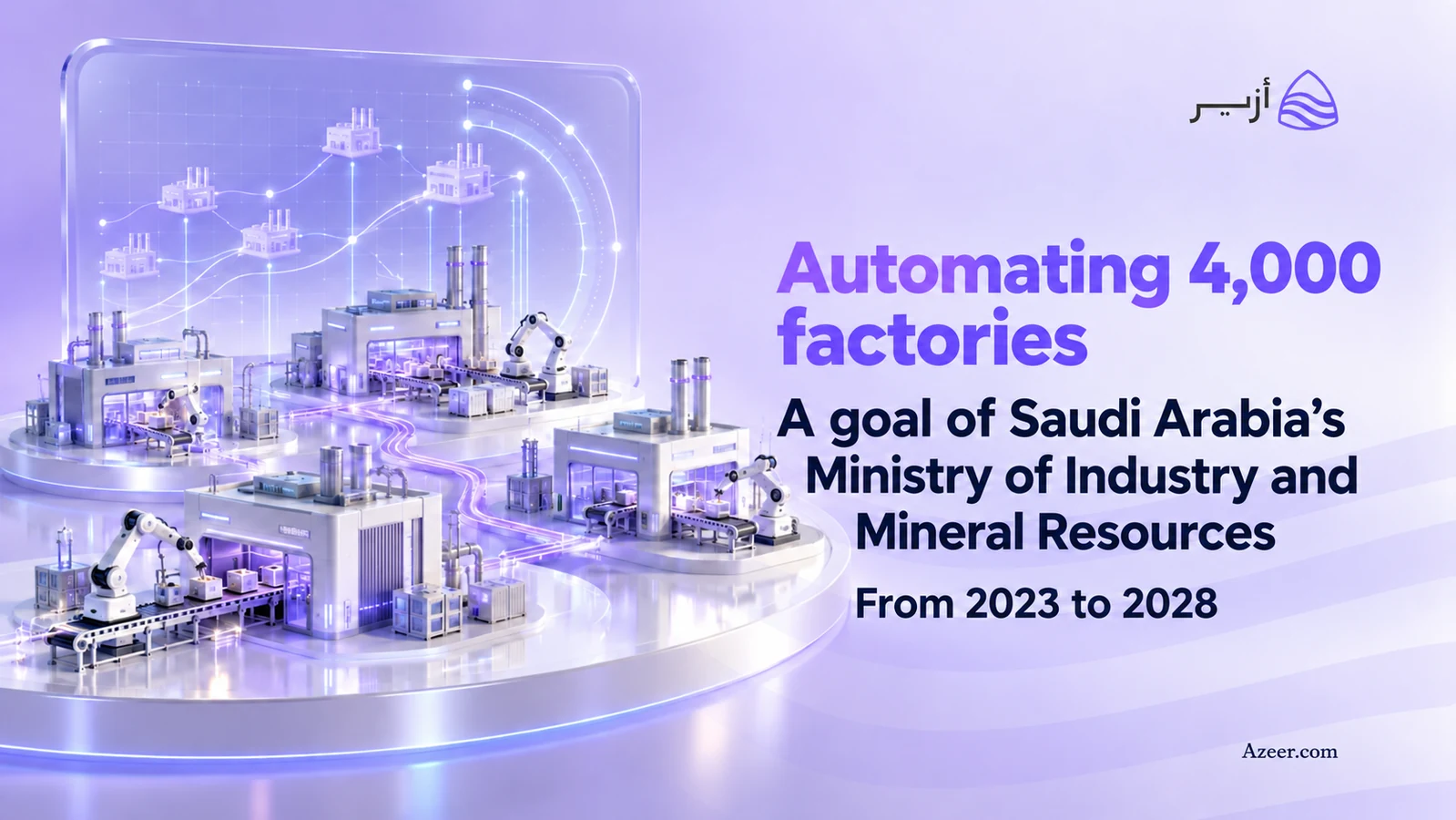
A report Forbes in a report that the Ministry of Industry and Mineral Resources in the Kingdom of Saudi Arabia aims to automate 4,000 factories between 2023 and 2028. This is part of the “Factories of the Future” initiative launched by the ministry, which is a cornerstone of Saudi Arabia’s industrial strategy.
What was the first historically documented industrial automation process?
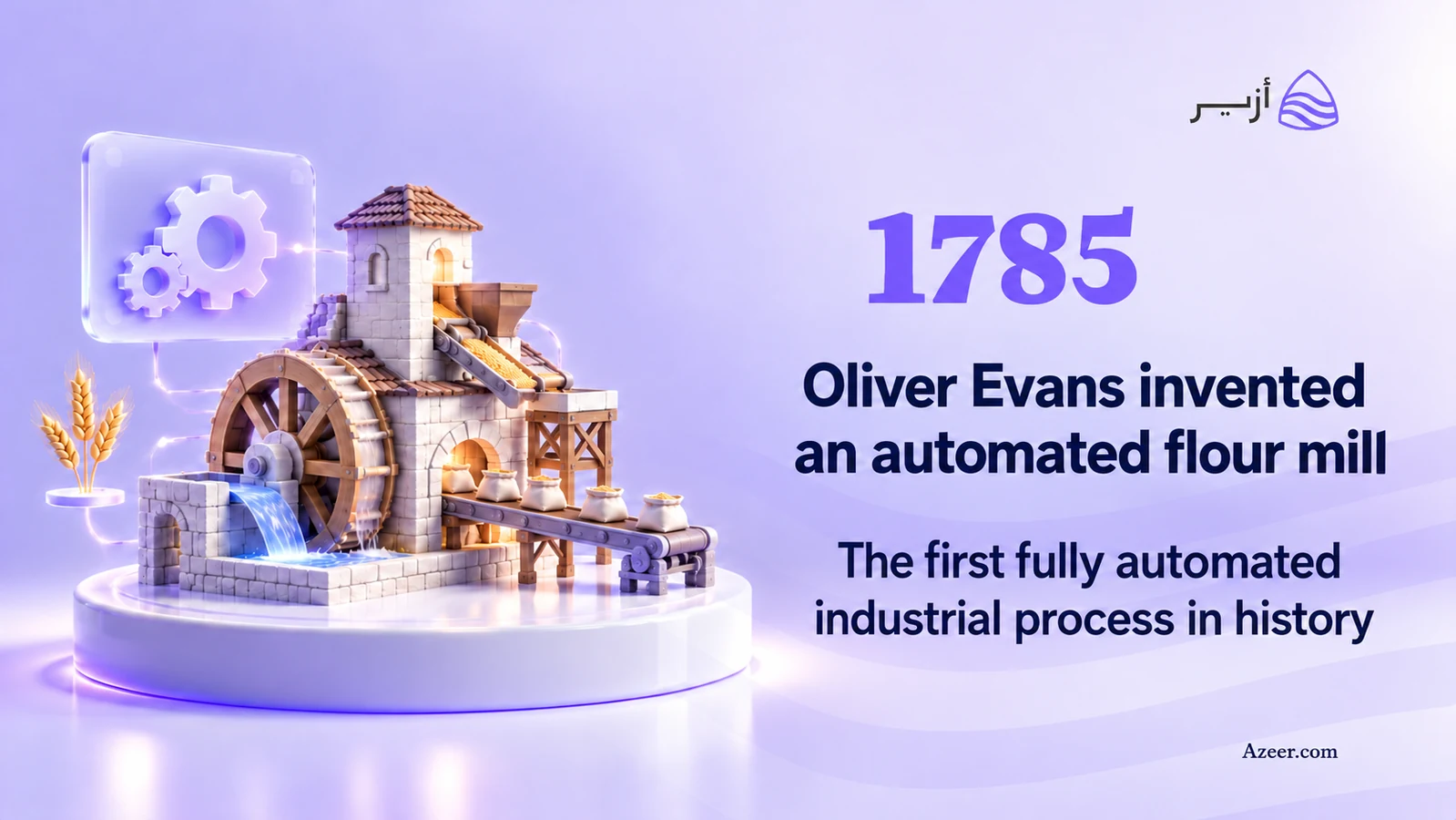
In 1785, Oliver Evans invented an automatic flour mill, which was the first fully automated industrial process capable of continuous production without any human intervention. However, the term “automation” was not used until 1946.
What is computer automation?
Computer automation refers to the use of computer software, electronics, computer-controlled devices, programming, and sometimes robots to control processes and replace manual labor.