Having a call center is essential for organizations, regardless of their activity, to help them deal with their customers, resolve various problems they encounter with the product or service they offer, handle sales tasks, or even Marketing for the business This is one of the important challenges for organizations that need to meet their customers' expectations when providing call center services.
In today's topic, we will learn about the meaning of a call center, its functions, the most prominent types you can rely on in your organization, and which ones can help you provide the best experience for your customers.
What is a call center for companies?
A call center is a team and operation that handles inbound or outbound phone calls, such as customer support, sales, and follow-ups.
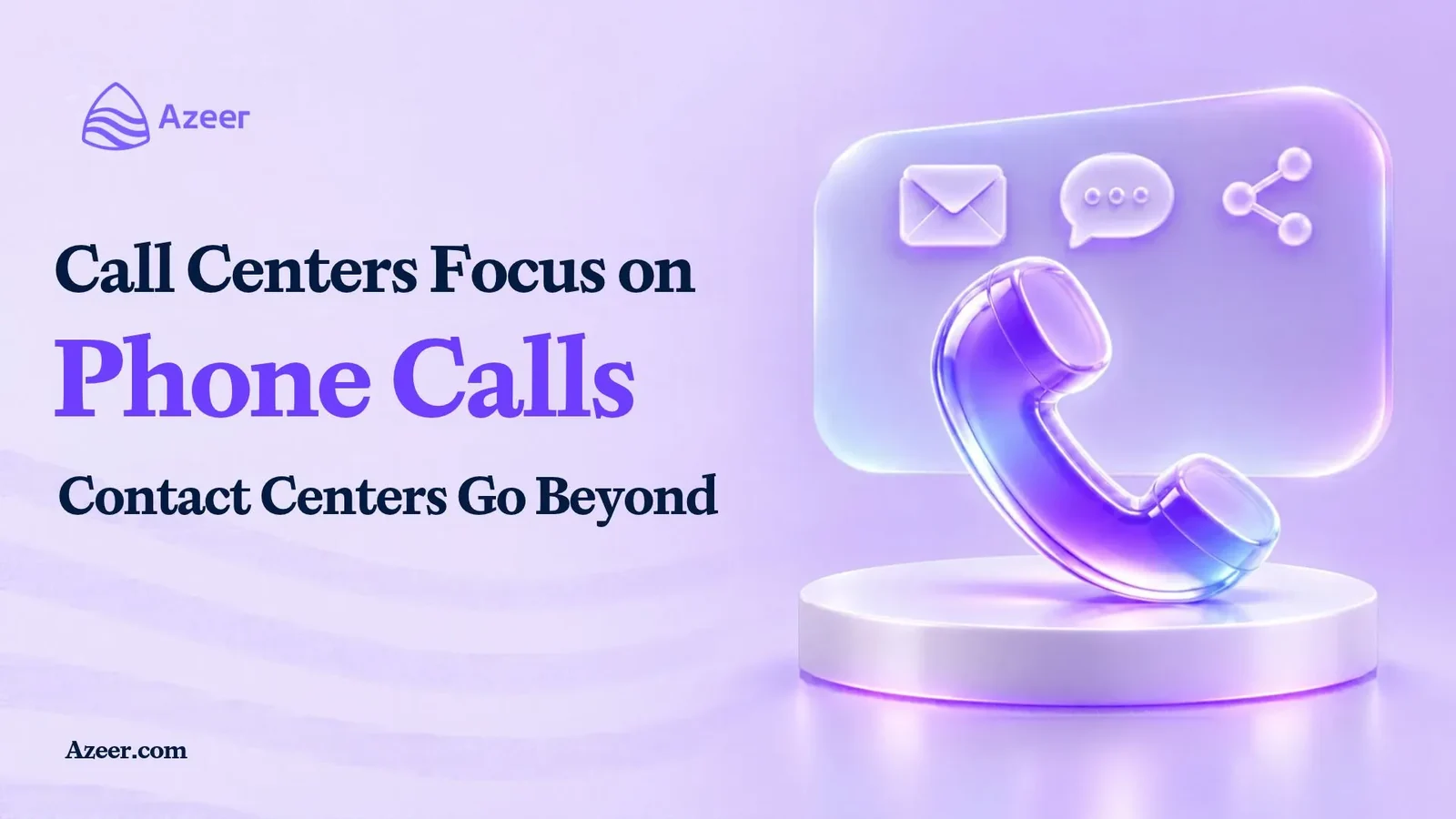
It's important to note that a call center differs from a contact center. The former focuses solely on incoming and outgoing phone calls to customers, while the latter encompasses various forms of customer communication, such as email, SMS messages, social media platforms, and other customer communication methods.
How does a call center program work?
There is a standard sequence of procedures that most call center programs follow in companies, regardless of the specific type of call center used. Let's explore this sequence below.
The communication process between the customer and the call center begins when the customer calls the company using the number it has allocated for its customers, enabling them to contact the company when needed.
The customer is answered via the Interactive Voice Response (IVR) service. The company records a series of automated responses in a specific sequence covering all possible scenarios that might occur between the company and the customer.
For example, let's say a customer calls the Azeer call center and receives the following response: “Welcome to Azeer. To continue in Arabic, press 1; for English, press 2.” You've likely encountered this type of response when contacting any organization you deal with, even if you're simply ordering a meal from a restaurant.
– What happens next is either that the Interactive Voice Response (IVR) service resolves your problem without any human intervention, or that you are transferred to an employee in one of the organization’s teams that you are communicating with, in order to help you.
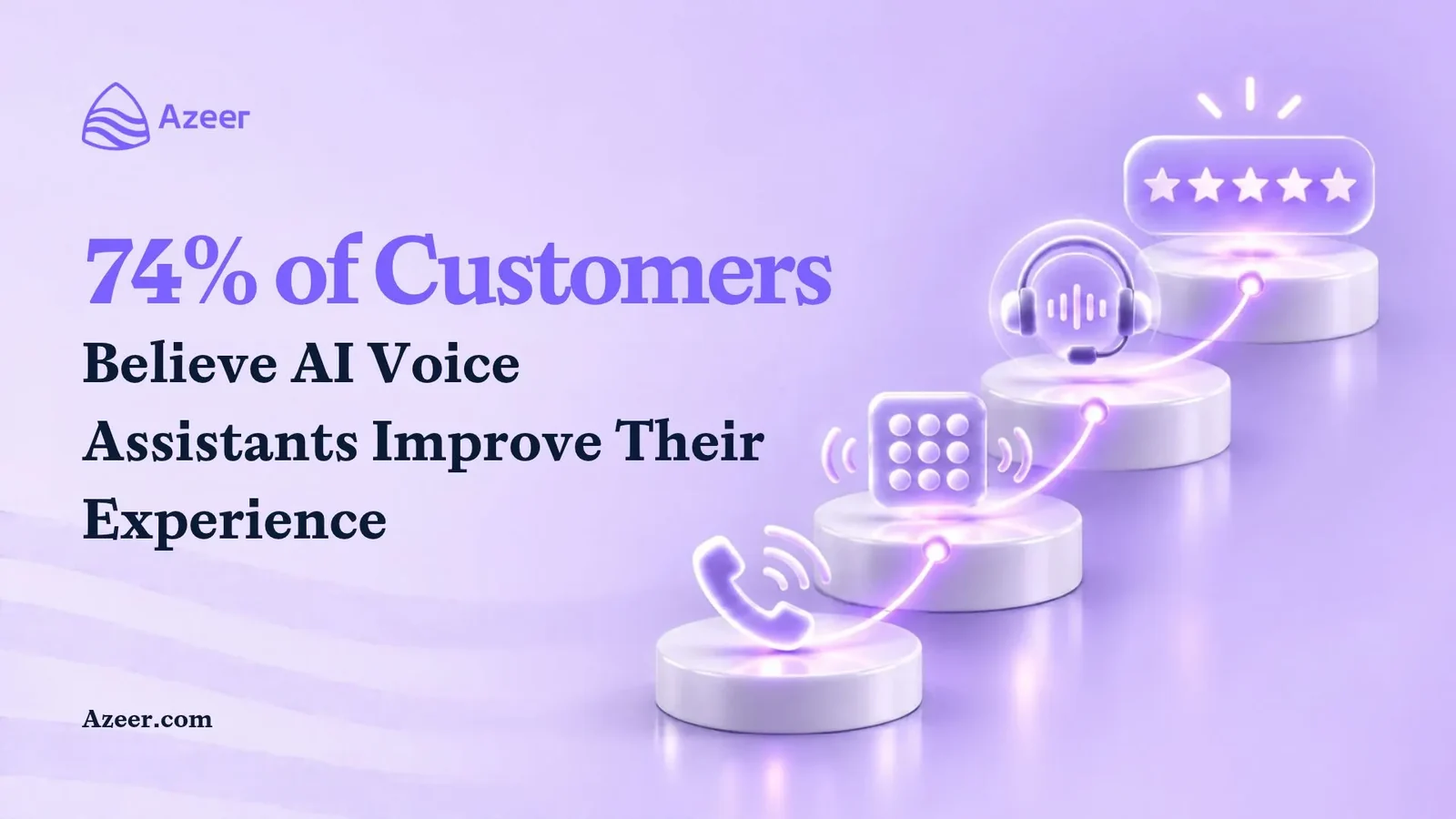
Some businesses use AI-powered voice assistants. In the 2025 Zendesk report, 74% of consumers surveyed said that AI understanding and responding to their voice would improve their experience interacting with AI.
– An employee can resolve a customer's issue on the first attempt, but sometimes it's necessary to record the complaint and contact the customer multiple times for follow-up. Once this process is complete, the employee asks the customer to rate the service they received.
The previously mentioned sequence will be found in almost all call centers. The difference lies in how each company operates its call center, the system it uses, and the advantages each system offers. We will explore these aspects in the following sections of today's topic.
What Does “Call Central” Mean, and How Does PBX Differ?
In Arabic searches and job listings, you may see the expression “كول سنترال,” sometimes rendered as “call central.”
The expression is used informally to refer to a call center.
For example, some listings use the informal label for jobs that involve handling inbound calls, making outbound calls, or supporting callers.
A PBX (private branch exchange) is the phone system that connects an organization’s extensions to one another and to the public telephone network. A call center is the team and operation that handles calls.
Types of Call Centers Based on Operating Technology
There are two types of call centers based on the technology used to operate the service. The first is the traditional on-premise type, and the second is the cloud call center. We will learn about them and the differences between them in the next part of today's topic.
Traditional On-Premise Call Center
An on-premise call center operates through a network of servers that are set up and connected to the computers used by company employees by a specialized team. Setting up this type of call center is somewhat time-consuming, and both setup and maintenance are costly.
As for the work process, employees are provided with dedicated workspaces, either within the company premises or at an external location. They sit in front of computers, each wearing a headset, and begin receiving incoming calls. A quality team, managers, and a management team are responsible for analyzing and reviewing data and evaluating performance.
Cloud Call Center
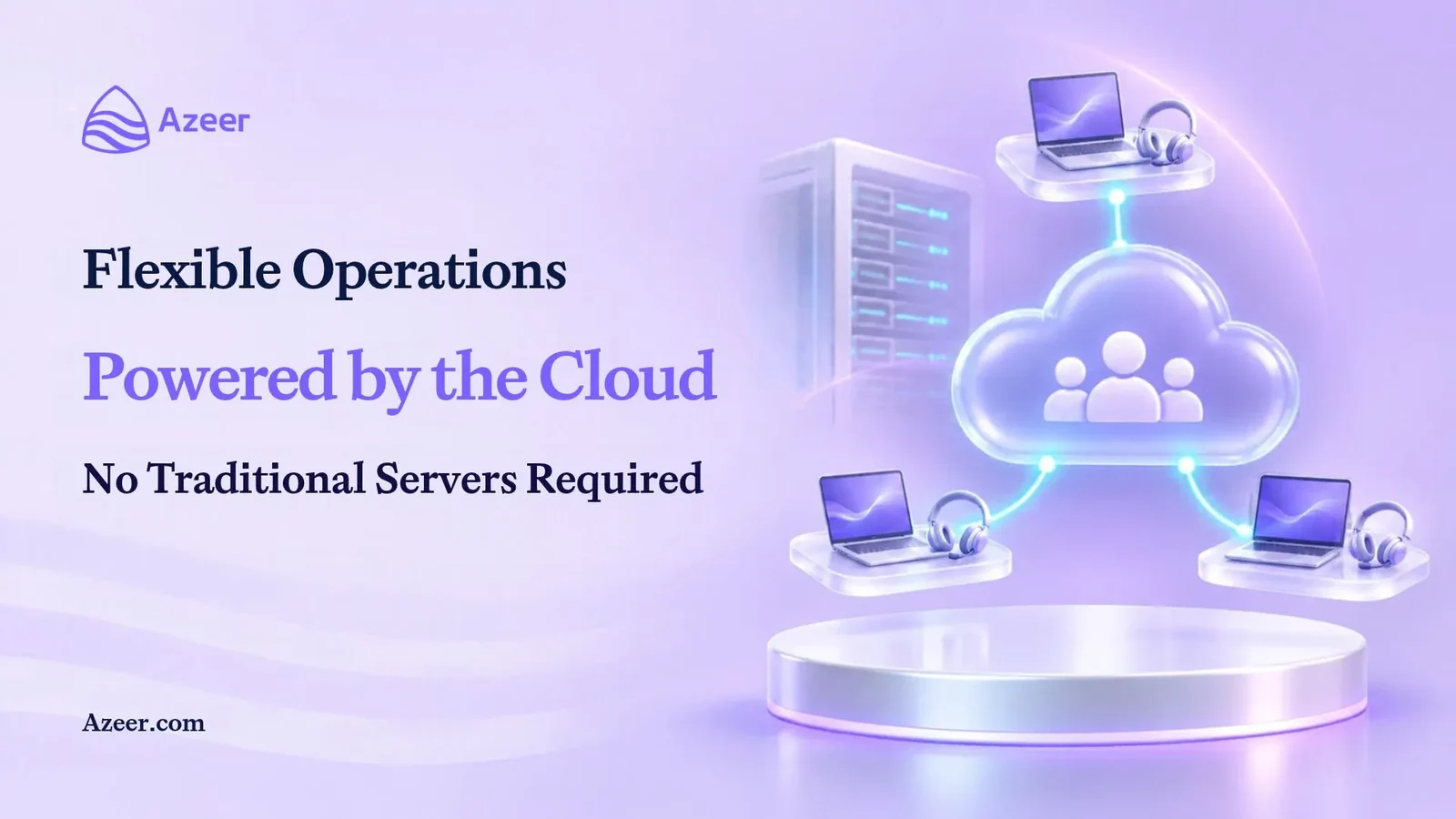
A cloud call center runs over the internet and is hosted by a service provider. Agents can sign in through a browser or app, so the organization does not need to operate its own on-site call center servers.
Here, the organization benefits from several advantages, including reduced operating and maintenance costs, and flexibility in where employees perform their daily tasks. You can connect all members of your team via the cloud, even if they work in different countries. You can also integrate the call center system with artificial intelligence tools and benefit from real-time updates without disrupting operations or negatively impacting them in any way.
Methods for Measuring Success in Call Center Service Delivery
To determine whether the performance of your call center is positive or negative, there are some criteria you can rely on. Let's review them below.
Customer Satisfaction Measurement
At the end of a call between your organization's customer and one of your call center agents, the agent may ask the customer to rate the call on a scale of 1 to 5 to determine whether the call helped resolve their issue. Sometimes, there are also ratings of their experience with the service or product itself, known as the "Customer Satisfaction Score" or "CSAT."
To illustrate the customer satisfaction scale with the following example, suppose a call ends between you and a company's call center agent, and you hear the following recorded message: “Dear customer, on a scale of 1 to 5, tell us how much you would recommend our company to other customers. 1 means you wouldn't recommend us, and 5 means you're very enthusiastic about recommending us to other customers.” Or, you might ask the customer, “On a scale of 1 to 5, how satisfied are you with the call center agent's performance? 1 means not at all satisfied, and 5 means completely satisfied with their performance during the call.”
Measuring the Ease of Customer Experience
The Customer Effort Score measures the customer's effort during their interaction with your call center team to resolve a problem with a device they purchased from your company, inquire about one of your offers, or cancel a service subscription.
The main idea here is to determine whether the customer was transferred to the most readily available employee to assist them, and whether their issue was resolved on the first attempt or required multiple calls. The ease of the customer's experience with the call center team depends on several factors, including the customer's willingness to do business with your company again, or their potential to use viral marketing to recommend your organization to a new customer. Conversely, if the experience is frustrating and difficult, you will likely lose that customer permanently.
Call Arrival Rate
Call arrival rate measures the number of calls received per unit of time. It helps teams understand demand and plan staffing.
For example, if your team receives 100 calls between 1 PM and 4 PM, but only 50 calls between 8 PM and midnight, you need to increase staffing during the afternoon to handle the increased workload. You can operate at half capacity during the evening.
Call Abandonment Rate
Call abandonment is when a customer hangs up before reaching an agent. The abandonment rate is the share of calls in the queue that customers abandon. A high rate may signal long wait times.
Average Handle Time
Average handle time typically includes talk time, any time on hold, and the work an agent completes after the call.
This metric helps call center managers measure employee efficiency and resource planning, specifically the number of employees and their allocation across lines to handle an expected volume of customers. Management also uses this metric to identify employee weaknesses and areas for development. It also reveals the point of equilibrium, meaning that an employee might end calls quickly but without resolving customer issues, thus creating a negative customer experience.
Conclusion
You can now learn more about the advantages of a cloud call center and the benefits of relying on cloud servers in your company instead of traditional ones. Azeer offers its clients numerous solutions to the various problems they encounter with traditional call centers. All you have to do is Book your free consultation session and leave it to us to help you provide the best possible level of service.
Frequently Asked Questions
What Is First-Call Resolution?
This term refers to the percentage of customers whose issues your company's call center team successfully resolves on the first call.
What are the Components of a Cloud Call Center?
A cloud call center consists of five key elements that work together to operate the system efficiently:
- A strong internet connection to run the cloud system smoothly without the need for traditional servers.
- A means of connecting the organization's branches via a unified number.9200 Or the toll-free number.800 For unifying call reception.
- Interactive Voice Response (IVR) system for guiding customers and automatically answering routine inquiries.
- The effective human element that manages conversations and transforms data into marketing and operational decisions.
- The cloud database that stores call details, evaluates team performance, and analyzes campaign and sales results.
What are the challenges of operating a cloud call center?
If you are located in an area with a weak internet connection, you will face problems running your call center system, as it relies heavily on the internet. Furthermore, if you rely on a weak cloud call center service provider, you may be vulnerable to hacking and data breaches.