As efforts to achieve the goals of Saudi Vision 2030 accelerate, business incubators have emerged as an effective means of empowering entrepreneurs, stimulating local innovation, and increasing the Kingdom’s output from the non-oil sector.
Today, business incubators in Saudi Arabia provide a comprehensive environment that includes mentoring, guidance, and financing, which has helped launch a large number of startups across various fields. In today’s topic, we’ll take a closer look at the concept of business incubators and the most important business incubators and accelerators in the Kingdom. Let’s get started.
What Is a Business Incubator?
Business incubators are government or private entities or organizations that provide the necessary support to startups in their early stages. This support includes offering business management training courses, providing coworking spaces, and connecting startups with investors and suppliers, thereby helping them grow and gain the necessary experience in a safe and stimulating environment.
Leading Business Incubators in Saudi Arabia
In the Kingdom, numerous business incubators have been launched to help Saudi entrepreneurs launch and succeed in their ventures, offering various forms of support necessary to achieve this. In the next section of today’s topic, we will explore a selection of business incubators in Saudi Arabia and their features.
KAUST Business Incubator
KAUST supports entrepreneurship at King Abdullah University of Science and Technology, where its programs help turn cutting-edge research into scalable technology companies. This incubator provides a conducive environment for nurturing startups, particularly those based on science and technology, and works to find solutions to critical challenges in areas such as energy, water, the environment, food security, health, and artificial intelligence.
The business incubator programs include accelerating the growth of deep-tech companies, providing support from the lab to the market, access to world-class laboratories and advanced research centers, connections to investors and venture capital funds, guidance and mentorship from global experts and academics, and funding and prototype development programs.
Riyadh Valley Company
Founded in 2010 as an affiliate of King Saud University, Riyadh Valley Company aims to stimulate innovation and develop a knowledge-based economy by investing in promising technologies and startups. As one of Saudi Arabia’s business incubators, it focuses on venture capital and early-stage investment in fields such as financial technology (FinTech), information technology (IT), logistics, smart agriculture, energy, and transportation.
Riyadh Valley Company is also known as RVC and works to bridge the gap between scientific research outcomes from King Saud University and actual market needs. It aims to play a pivotal role in achieving Saudi Vision 2030 by supporting the transition to an innovation-driven economy, contributing to job creation, and fostering a thriving entrepreneurial ecosystem within and beyond Saudi universities.
TAQADAM Program
TAQADAM is a startup accelerator run by King Abdullah University of Science and Technology in partnership with Saudi Awwal Bank. Since 2016, it has helped founders develop their ideas and grow their startups.
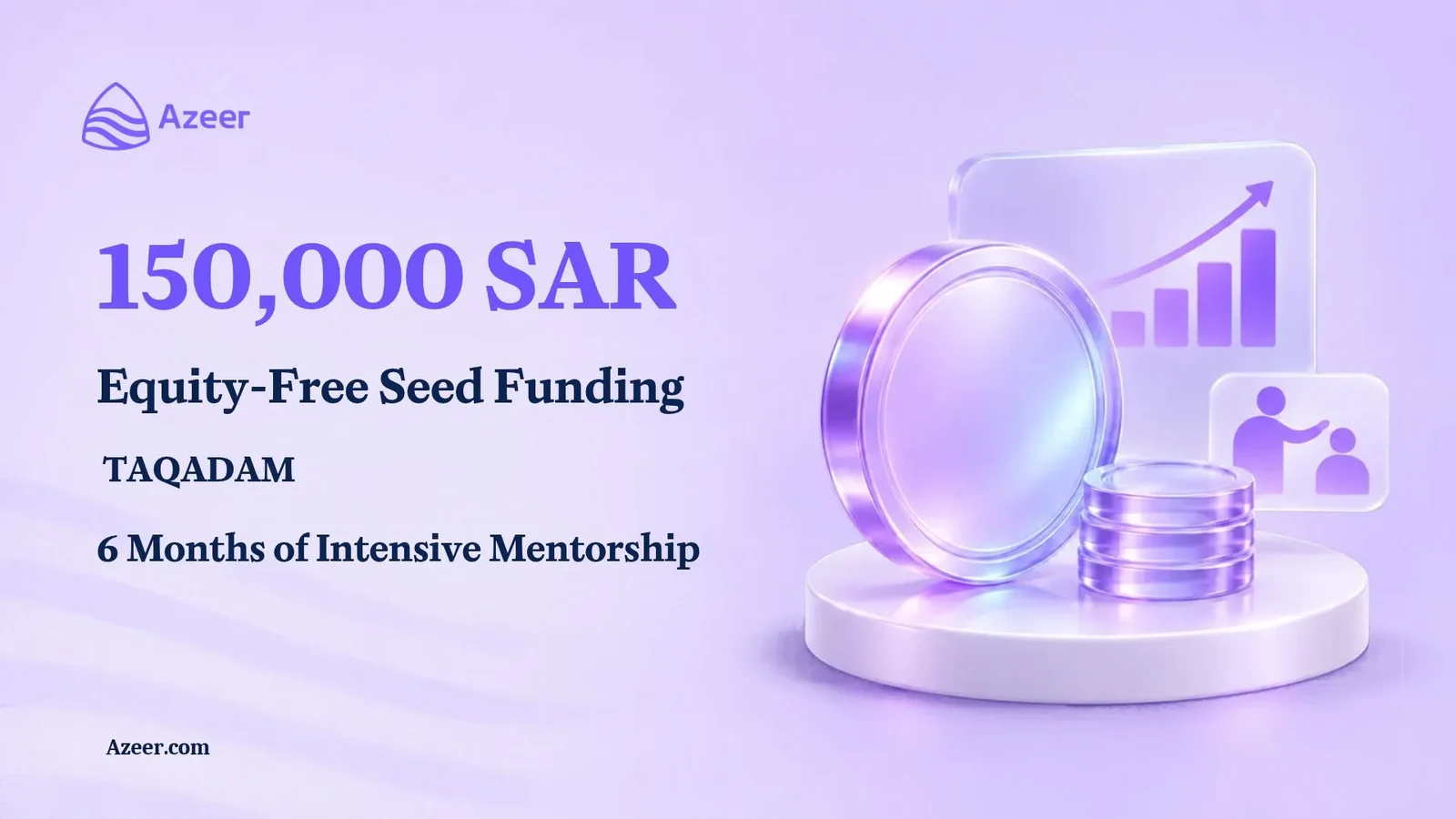
The TAQADAM program provides participating teams with USD 40,000 (about SAR 150,000) in equity-free funding, alongside six months of mentoring and workshops.
Falak Company
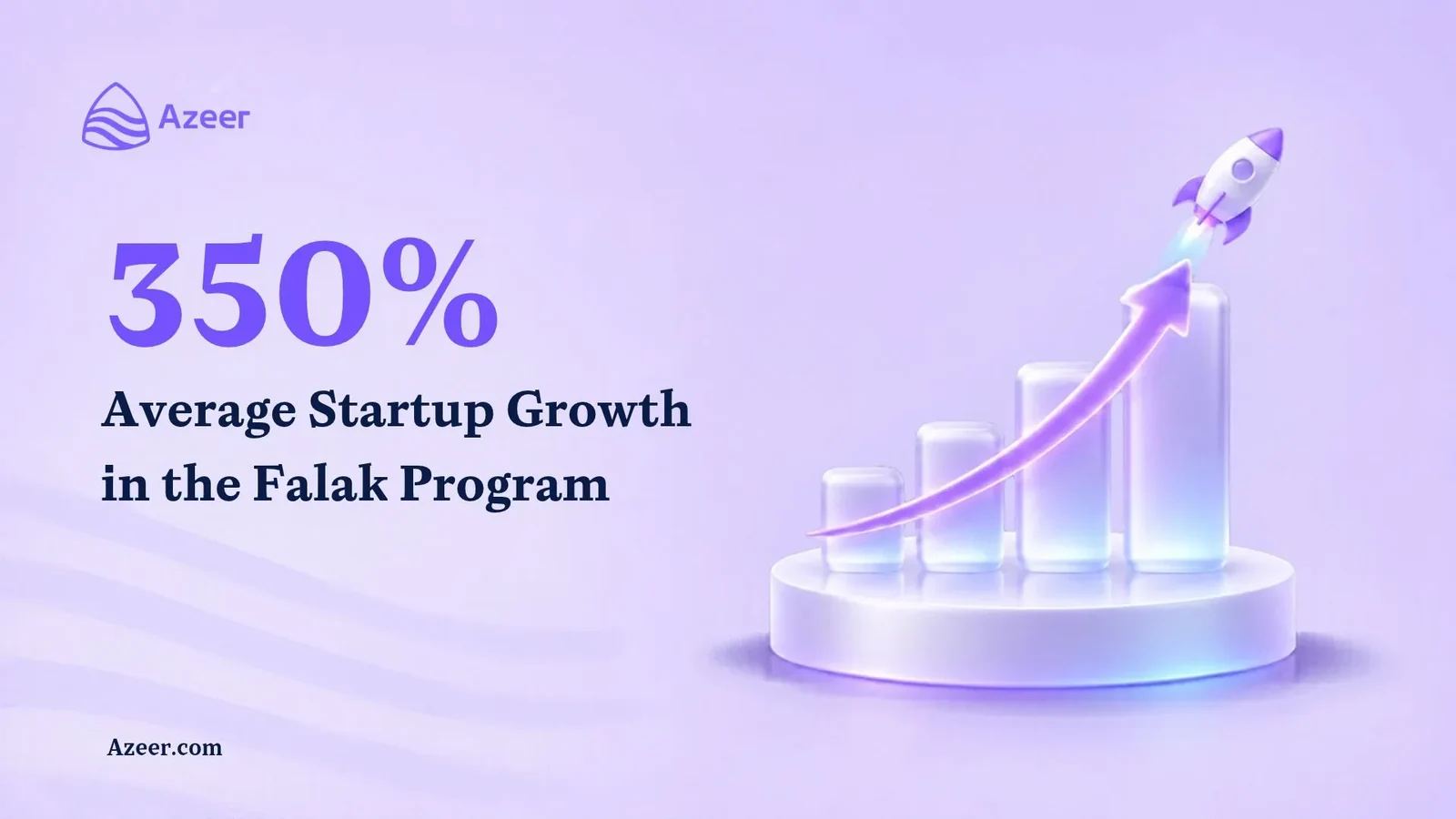
Falak has supported technology startups through investment and accelerator programs since 2018. Falak reports average startup growth of 350% across its programs.
Examples of Arab Business Incubators
Across the Arab world, there are numerous successful business incubators that have helped a large number of entrepreneurs launch their startups. Below, we will review a selection of these incubators.
Oasis 500: Jordan’s Innovation Hub
Since its launch in Jordan in 2010, Oasis 500 has emerged as one of the most important Arab business incubators in recent years. It was established with joint support from the King Abdullah II Fund for Development (40%) and a group of Jordanian businesspeople and industry leaders (60%).
In 2013, Oasis 500 received the Mohammed bin Rashid Award for Best Business Incubator in the Arab World. The number of startups to which it has provided training, mentoring, and funding has reached 140.
Flat6Labs
Although it was launched in 2011 in Egypt—the year the January 25 Revolution broke out—the business incubator Flat6Labs has quickly established itself as an organization capable of supporting startups. Flat6Labs began with seed funding of $500,000 from Sawari Ventures, and since its launch has provided funding ranging from $15,000 to $20,000 to startups in exchange for a stake in the company (equity).
The company later expanded into Saudi Arabia and the United Arab Emirates, then launched operations in Tunisia and Lebanon after securing $2 million in funding from the International Finance Corporation (IFC) in 2016. To date, it has helped at least 100 startups and 300 entrepreneurs.
Conclusion
You can increase your business incubator’s reach to every entrepreneur who needs to connect with it, and the best way to do that is through the WhatsApp API. You can take advantage of automated replies on WhatsApp to answer entrepreneurs’ common questions; by responding promptly to their inquiries, you’ll earn their trust from the very first moment.Book your free consultation session, and let our team help you become a success story.
Since entrepreneurs may prefer to communicate with you via phone call, you must be prepared with the best call center solution suited to today’s needs: the cloud-based call center. With the auto-dial feature, you’ll be able to upload a list of entrepreneurs’ phone numbers to your system and then call them all at once.Contact our team today and take advantage of Azeer’s cloud call center services.
Frequently Asked Questions
How Do Business Incubators Generate Profits from Their Operations?
Some business incubators request a share of the project’s ownership in exchange for the assistance they provide at the outset, thereby becoming partners with the entrepreneur in the project; others receive an agreed-upon fee after a certain period.
What is the difference between business incubators and business accelerators?
Business incubators assist startups in the early stages, even before a prototype or a clear business plan exists. They provide long-term support that can range from 6 months to several years, and in many cases do not require a share of equity, especially if they are backed by a government agency or university, in which case they are nonprofit.
Business incubators also provide entrepreneurs with workspaces, training and mentoring, legal and technical support, as well as assistance in building a business model.
Business accelerators, on the other hand, work to accelerate the growth of startups that have a minimum viable product (MVP) or initial revenue, and prepare them for the market and investment, As such, they target startups that need to accelerate their growth. Their programs are often short-term and intensive, ranging from three to six months, and their initial funding is provided in exchange for an equity stake in the company.